
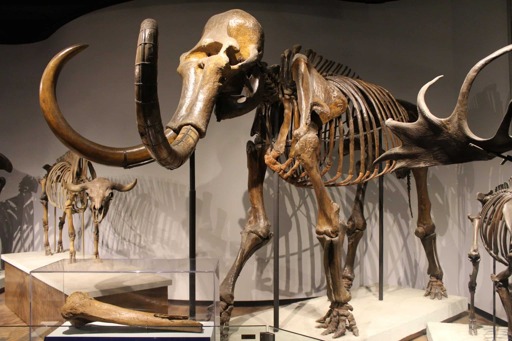
Researchers say they have recovered RNA from the remains of a woolly mammoth that lived roughly 39,000 years ago, a finding that for the first time preserves direct molecular evidence of which genes were active in an Ice Age animal and gives scientists a new window into long-extinct biology.
In a study of soft tissues from 10 Late Pleistocene mammoths recovered from Siberian permafrost, a team led by researchers at Stockholm University reported that one specimen known as Yuka yielded especially rich RNA signals. Yuka’s muscle tissue produced hundreds of ancient transcripts, including muscle-specific messenger RNAs and dozens of small regulatory RNAs called microRNAs, the oldest reliably sequenced RNA yet reported, the authors said.
You must log in or # to comment.