

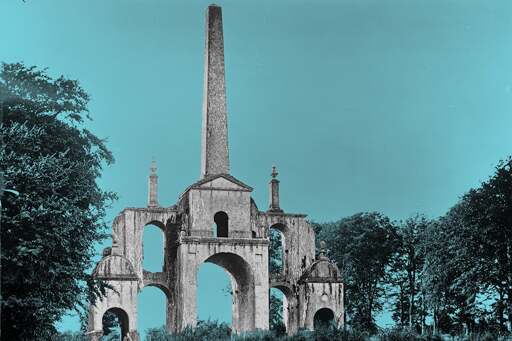
Follies are, by definition, frivolous. They are buildings with no purpose. But there is nothing frivolous about this folly’s history. It was built by the starving as an alternative to simple charity—a way to earn a little money and keep body and soul together.
Conolly’s Folly is an early example of make-work infrastructure. That same model was adopted on a much larger scale when the Great Famine struck just over a century later. The British government was ideologically opposed to providing aid without work. As a result, all across the Irish landscape, there are “famine roads”—running from nowhere to nowhere and now slowly disappearing into the grass.
They are eerie places. In one case, while working on an excavation, archeologists spoke with a local woman who recalled that, in her childhood, anyone who had to go near the road at night would sprint past it for fear of ghosts.
You must log in or register to comment.
*Opportunistic Ethnic Cleansing NOT Famine.
There was absolutely enough food being grown in Ireland for the Irish, just not enough to make England feel empathy for the starving Irish who had to sell all of the food that did grow to England in order to “survive”.
Just for amusement in the associations with the name/similarities of intent, see the History section of https://en.wikipedia.org/wiki/Hellfire_Caves
Also created in the 1740’s
