

- 51 Posts
- 39 Comments






it’s kind of hilarious how reckless this is.
I’m also thinking of how reckless it is from a resource perspective. Even if US politics manages to slow the spread of renewables, oil is a finite resource which is becoming harder and more expensive to extract by the year. If your vehicle needs 40 gallons of that stuff every week, you’re putting yourself in a very vulnerable position.

Yes! With the exception of Arkansas and Oklahoma, which may be considered part of that region, but are facing several compounding risks. The biggest threats facing the Midwest are wind, hail, and storms, but I’ll take that over wildfires, hurricanes, floods, or lethal wet bulb events.
Here are some links/resource for homebuying in regards to climate risk:
- American Resiliency | YouTube channel covering climate migration and adaptation.
- The Reliance School | Hey that’s me! Collection of climate risk maps, plus articles on finding a home.
- Climate Change and Your Home | Substack on climate-resilient real estate.
- First Street | Address lookup tool with risk ratings for floods, fires, heat, hurricanes, and air pollution.
- ClimateCheck | Address lookup tool, similar to First Street, also includes storm & drought ratings.
- How to Shop for a Home That Won’t Be Upended by Climate Change | NYT article with a good checklist.
- America’s Most Sustainable Cities and Regions | Book projecting climate and economic trends.
- ND-Gain Urban Adaptation Assessment | List of cities ranked by climate resilience.
- What will climate feel like in 60 years? | Map of climate analogs for major cities.
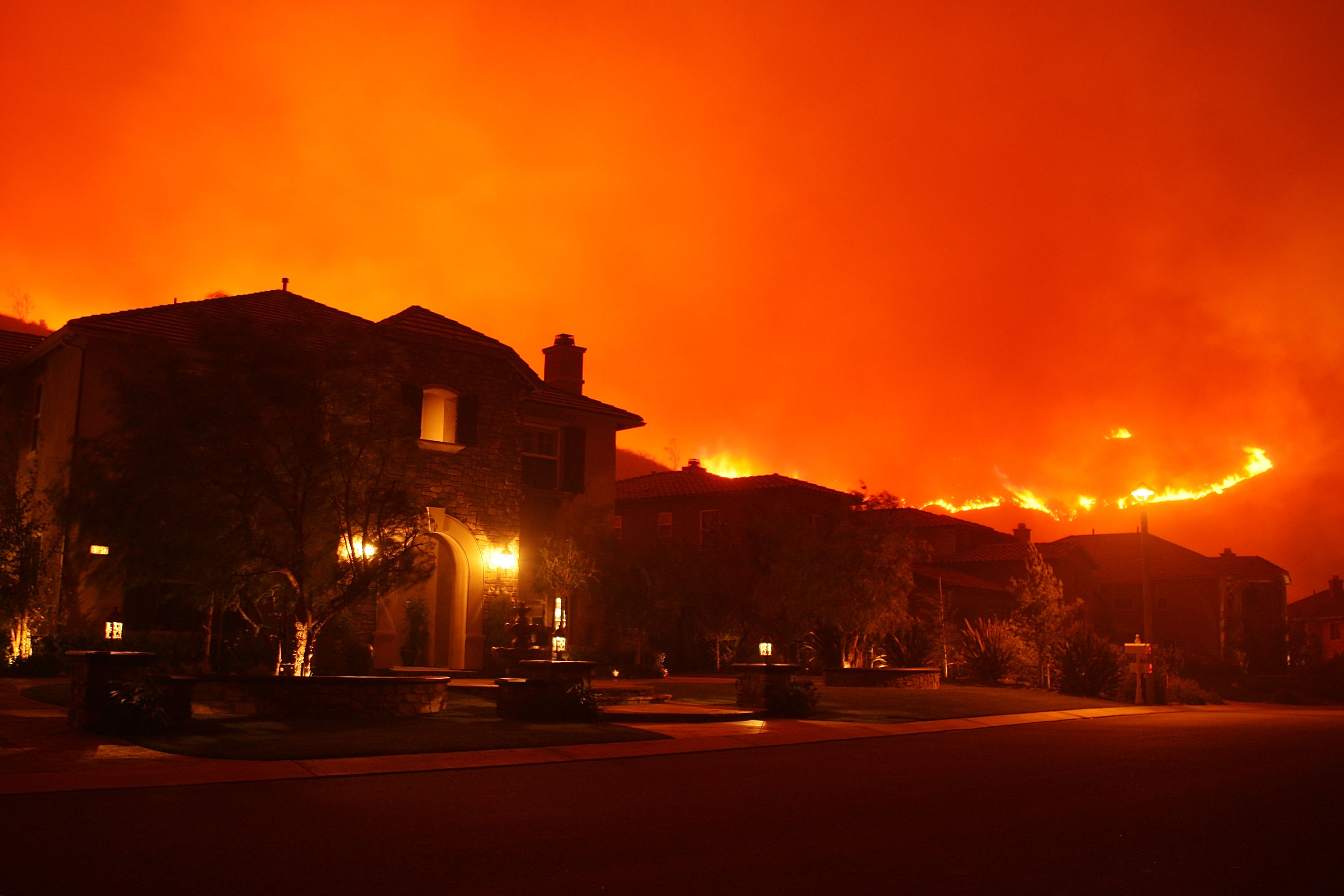
And according to their docs, flood risk coming soon as well. I would love to see projected drought at some point too! Heat and hurricanes are the other main climate-fueled threats, but they’re pretty easy to predict (stay out of the South, stay away from coasts).
I like that this project is opening up granular data to the public. First Street is great for simple searches (and their subscriptions are reasonably priced as well), but if you want direct access to their data it’s $10K-$15K/year and up.
 10·8 months ago
It was a no-brainer until fossil fuels! (Although traditionally settlements would have a village surrounded by farmland, not the inverse.)
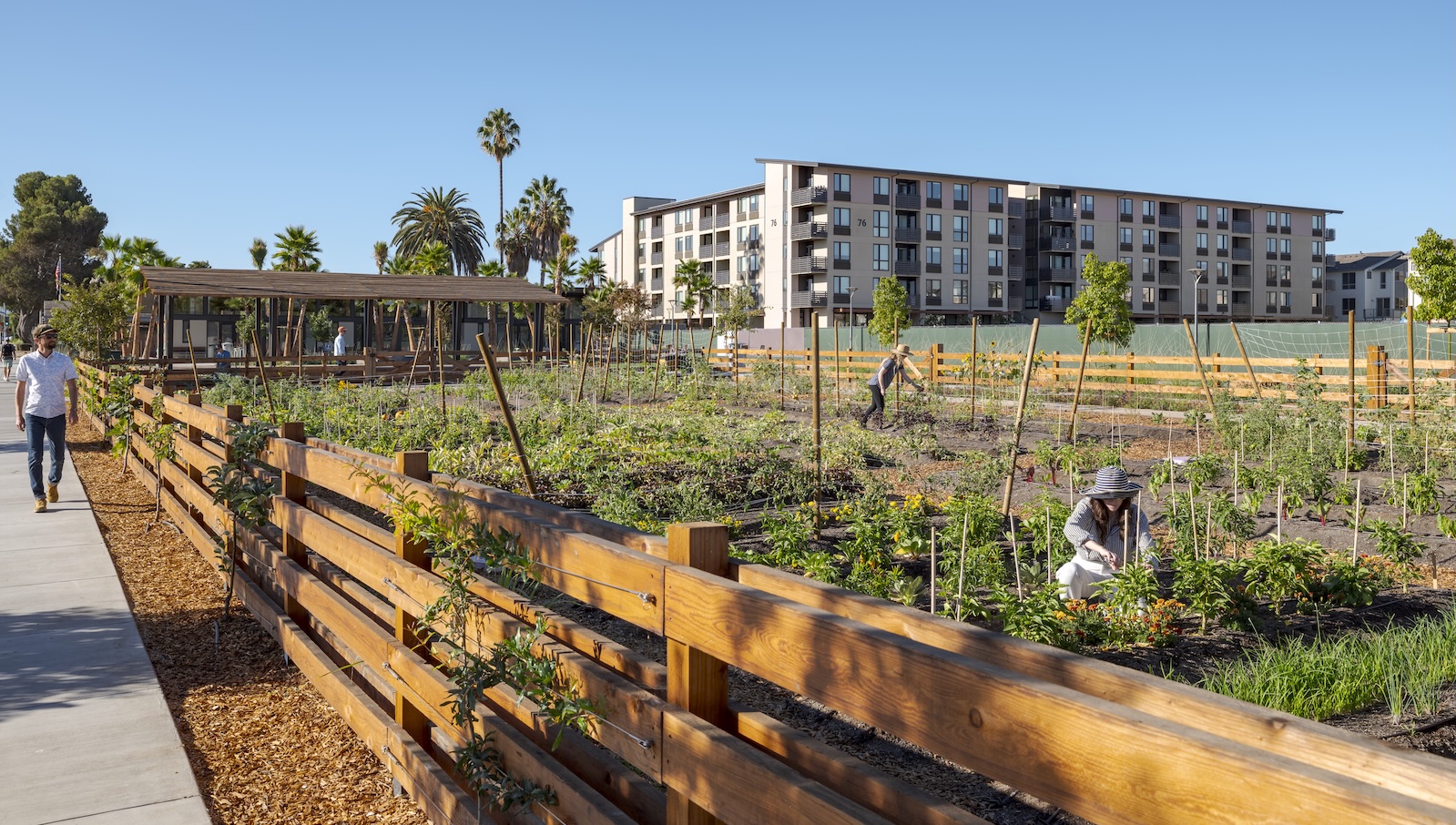
The ethics and impact of migration is a real concern. If we just take overextraction and overconsumption and move it somewhere else, we’re not solving anything. (For example, if we take a region that has a lot of freshwater/biodiversity/arable land and just pave it over.)
I want to start having more discussions about this as migration goes mainstream but there’s no feasible way to legislate or enforce it which really worries me.
If you look at what Republican leadership is doing (not saying), they absolutely believe climate change is a threat. They’re reacting to it with dystopian measures, but it’s clear they’re just playing dumb.

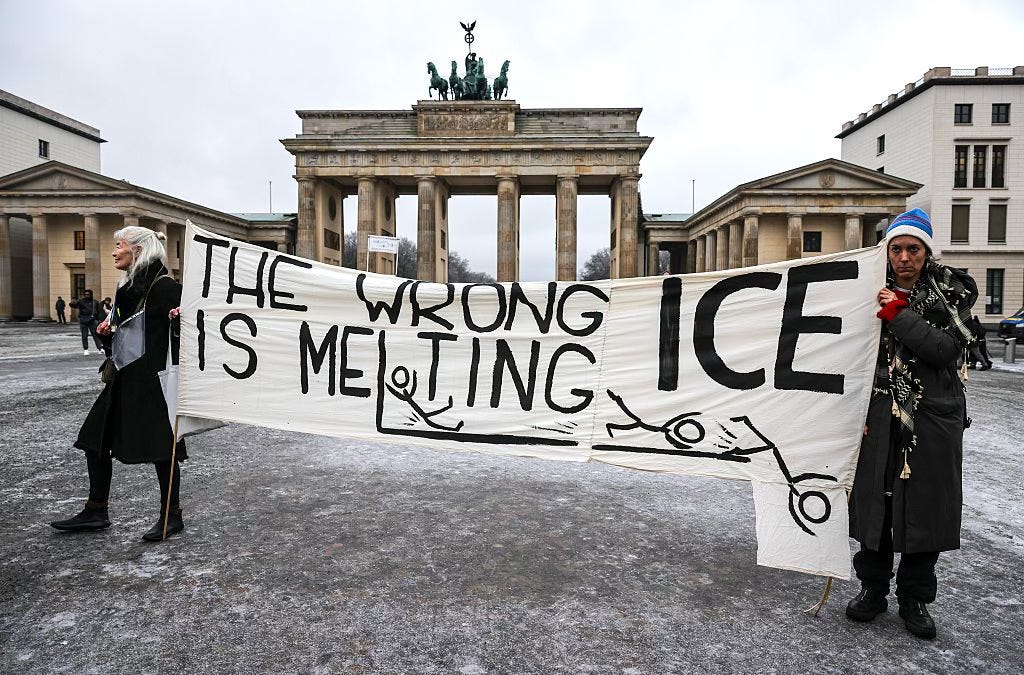
I was listening to this podcast yesterday, and they made the point that for folks living in the most vulnerable/exposed areas, renting may be the move as you’re not on the hook for uninsurable losses. But obviously the risk is to more than just wealth, as I wouldn’t want to have to evacuate or face down a life-threatening disaster.
Good catch!
What do you mean?


I’ve been watching Landman clips on YouTube and I have mixed feelings on it.
I think it does a good job of capturing the futility of this situation, in the sense that every stage of fossil fuel production (and consumption) is populated with folks “just doing their job,” providing for their families, following orders, etc. I watch this show and see the banality of evil, oil CEOs who genuinely believe they’re doing right by the world rather than burning it down.
But I’m also acutely aware that this is not the take most viewers will be walking away with. We’re talking about a general public that idolizes the likes of Tony Montana, Gordon Gekko, Patrick Bateman, Tony Soprano, and Jordan Belfort, despite their films/shows explicitly depicting their downfall as a result of their moral failings.
The vast majority of viewers are going walk away from these films feeling less guilty for their own fossil fuel consumption.
I debated adding the F, but SLRPNK does this weird thing where it adds a huge space after the degree symbol and it just looked weird. When writing for American audiences I prefer using °F as °C seems to unintentionally downplay the severity of warming, but either way it’s real bad.


 3·1 year ago
I love this angle! That makes a lot of sense, and I appreciate your detailed breakdown.
My main criticism of this piece is, as implemented, it still relies on a larger governing body of some sort to police inter-local conflict. If we just do away with federal government entirely, there’s nothing stopping a warlike locality from invading and conquering another to increase its territory and resources, and if that continues unchecked you just get another federal government. (Other examples abound, such as a locality upstream dumping toxic waste into a river that serves as drinking water for a locality downstream.)
If you don’t have a federal body those issues go unresolved, but if you do, the struggle becomes checking the power of said body and preventing it from taking away local sovereignty. And I don’t have any easy answers to that.
 4·1 year ago
Sorry about that! Had trouble uploading the thumbnail and accidentally pasted the image link instead of the article. Post is updated to https://www.theguardian.com/environment/2025/jul/22/in-a-bombed-out-reservoir-ukraine-huge-forest-grown-a-return-to-life-or-toxic-timebomb
I’m personally focused on climate change, but where did you post that? And is there any way to archive that information? (Archive.org most likely saved a snapshot of the page.) The vast majority of the stuff I post gets single-digit upvotes, I think part of it is just a userbase issue. Even main page posts only get a few comments, I don’t think we’ll see real traction and engagement until the number of total users goes up by 10x.
Amidst all the horrible news about data purges and erasures, this is a glimmer of hope. The real losers (as usual) are the American people, who stood to benefit massively from clear, understandable data on climate risk at a local level. I’ve been pre-emptively archiving federal climate resources for the past 6 months, as it all seems to be on the chopping block.
2x on local hard drives, 2x in the cloud. Not taking any chances with this.
I think about this a lot when we’re talking about animal, bird, and insect populations, because all those massive declines we’re hearing about are measured from 1970 onwards. By that point industrial civilization had been chugging away for a full century, and ecosystems were already severely degraded. Then I think about how settlers clear-cut the Eastern US with just hand-powered axes and saws, and that was a hundred years before that.
In most areas we’d have to go back over 10 generations to encounter a truly healthy ecosystem. Shifting baseline is absolutely a real thing.
 1·1 year ago
My yard used to be hard-packed clay where only the most tenacious weeds could survive (field bindweed, burdock, thistle, dandelion), so my first step was putting down multiple layers of heavy cardboard to smother them, then covering that with about a foot of wood chip. That killed the latter three and helped to start softening up the soil (worms move in when organic matter is present), but bindweed just pushed through the cardboard and wood chip, so I had to hit that with (selective, judicious) applications of herbicide. It was a hobby for the first year, but now my yard is weed-free and the soil is turning more rich and loamy!
I’ve mostly used starts/seedlings to fill in my beds, but now that the weed pressure is lower I’ve started putting soil & compost over the mulch to encourage my plants to self-seed. I’m also filling in all the “blank spaces” with ground cover, to provide an additional barrier against weeds. A mature garden will require a little weeding now and then, but for me that’s something I enjoy (it’s a break from work, and time in the sun), and it’s definitely not as intensive as vegetable gardening.
Hm, I’m accessing Lemmy via my browser but the post links directly to https://www.reliance.school/blog/7-keys-to-climate-resilience so I’m not sure what’s happening there.