they put linux mint (cinnamon edition) on computers. people more or less used it normally, i’d say most people barely bothered that it’s not windows. essential software that we needed to use was pre-installed (with neatly visible icons on the desktop to click on), and web browser was installed too. that covers basically all use-cases.
one colleague asked how to do screenshots. i showed her.
That’s the main reason, Linux is still not as widespread as Windows - marketing. If you’d ship all of the sold PCs with a pre-installed Linux, nobody would give a shit.
And why would they? The vast majority of ALL computer users just use functions (email, office, browsing) instead of programs. Oh, I know, I know. If you ask, you always hear Word, Excel, Outlook. But to me that are just synonyms for the tedious everyday tasks most users perform. And if you’d stop training people to repeat tasks and klick buttons and instead train them to understand what they’re actually doing … sigh
To take it a bit further, I found at least cinnamon and KDE to be familiar enough that you can use your “discover how to do things on windows” skills for figuring out many things.
And once you get a handle on the repository software, it can also be easier to find and install new software when instructions direct you to a terminal command that doesn’t exist. KDE even does a search and says what needs to be installed when the command isn’t found. On windows, you need to download shit from some random website (which always sketched me out that someone could take advantage of that trust by making their malware behave as expected) and their search can fail to find something already installed on your machine, let alone figure out what you want to do if the name is a common word.
For everyday computer use, the experience is pretty similar. Unsurprisingly so because that’s how they designed Cinnamon. Funny though, your colleague didn’t think of typing “screenshot” into the search bar of the start menu.
Let us know, I’m very curious. At our school (cal poly pomona), our comp sci professors were upset Ubuntu got put on their lab computers and they were upset because IT didn’t give warning and some didn’t know how to use it.
If you’re curious about migrations, there will be several talks at this years FOSSDEM from people sharing their experiences migrating whole organizations /municipalities to FOSS.


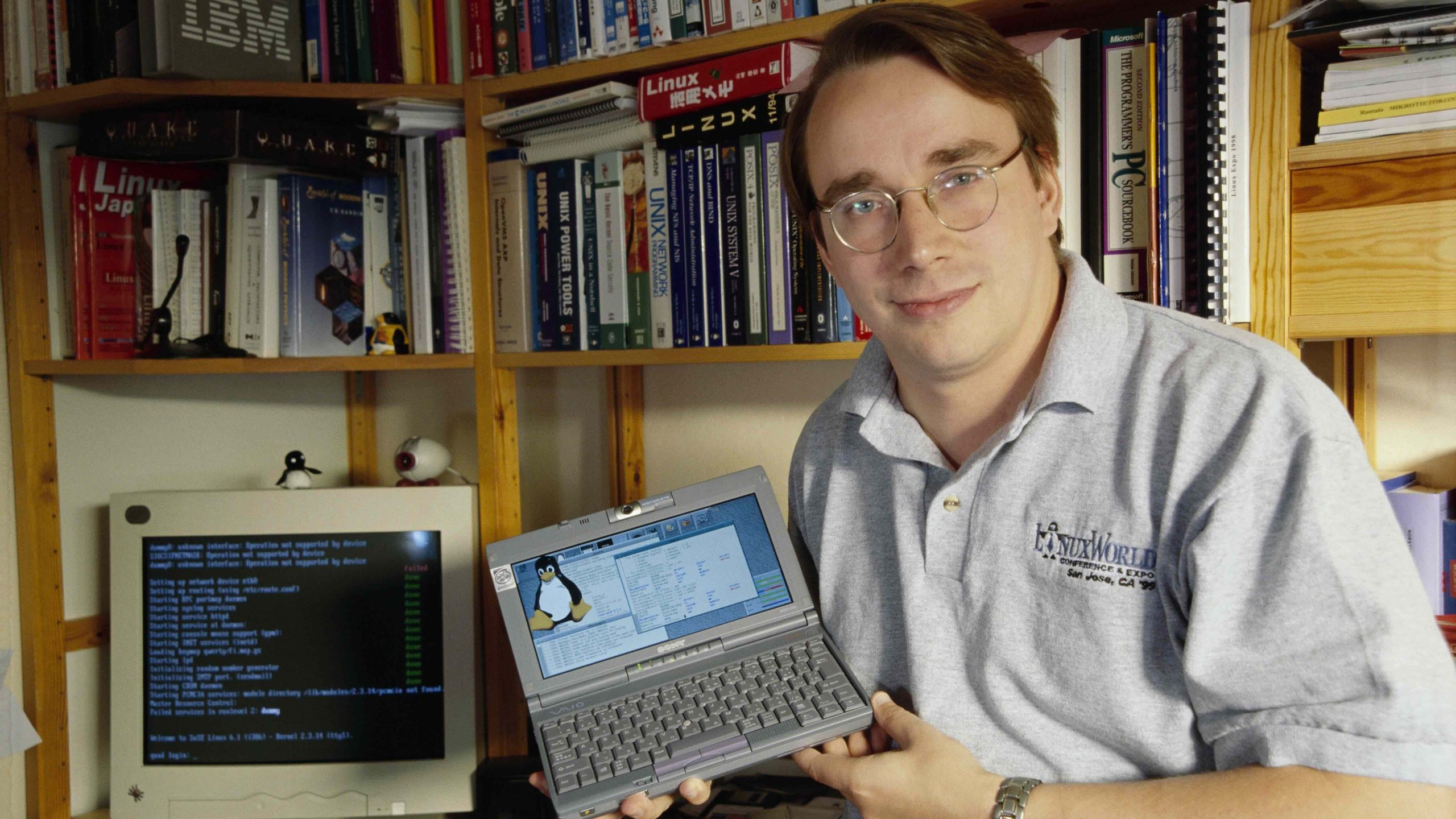
our university put linux mint on all the desktop computers this year.
Compsci labs or everywhere?
the department where i am. don’t wanna say which one because privacy concerns.
Wir petzen schon nicht.
Cool. Which university is that? How did it go?
they put linux mint (cinnamon edition) on computers. people more or less used it normally, i’d say most people barely bothered that it’s not windows. essential software that we needed to use was pre-installed (with neatly visible icons on the desktop to click on), and web browser was installed too. that covers basically all use-cases.
one colleague asked how to do screenshots. i showed her.
That’s the main reason, Linux is still not as widespread as Windows - marketing. If you’d ship all of the sold PCs with a pre-installed Linux, nobody would give a shit.
And why would they? The vast majority of ALL computer users just use functions (email, office, browsing) instead of programs. Oh, I know, I know. If you ask, you always hear Word, Excel, Outlook. But to me that are just synonyms for the tedious everyday tasks most users perform. And if you’d stop training people to repeat tasks and klick buttons and instead train them to understand what they’re actually doing … sigh
To take it a bit further, I found at least cinnamon and KDE to be familiar enough that you can use your “discover how to do things on windows” skills for figuring out many things.
And once you get a handle on the repository software, it can also be easier to find and install new software when instructions direct you to a terminal command that doesn’t exist. KDE even does a search and says what needs to be installed when the command isn’t found. On windows, you need to download shit from some random website (which always sketched me out that someone could take advantage of that trust by making their malware behave as expected) and their search can fail to find something already installed on your machine, let alone figure out what you want to do if the name is a common word.
For everyday computer use, the experience is pretty similar. Unsurprisingly so because that’s how they designed Cinnamon. Funny though, your colleague didn’t think of typing “screenshot” into the search bar of the start menu.
Let us know, I’m very curious. At our school (cal poly pomona), our comp sci professors were upset Ubuntu got put on their lab computers and they were upset because IT didn’t give warning and some didn’t know how to use it.
That sounds like the dumbest possible way to go about this.
If you’re curious about migrations, there will be several talks at this years FOSSDEM from people sharing their experiences migrating whole organizations /municipalities to FOSS.